
Developmental plasticity describes life’s ability to adjust growth, form, and behaviour in response to environment, nutrition, and stress. This module helps you understand plasticity not as randomness, but as a deeply adaptive strategy that allows organisms to survive in changing conditions.
You begin by exploring how developmental pathways are flexible rather than fixed. Cells interpret signals from their surroundings, such as temperature, nutrients, hormones, and social cues and adjust gene expression accordingly. These shifts can alter growth rates, body size, timing of development, or even adult traits.
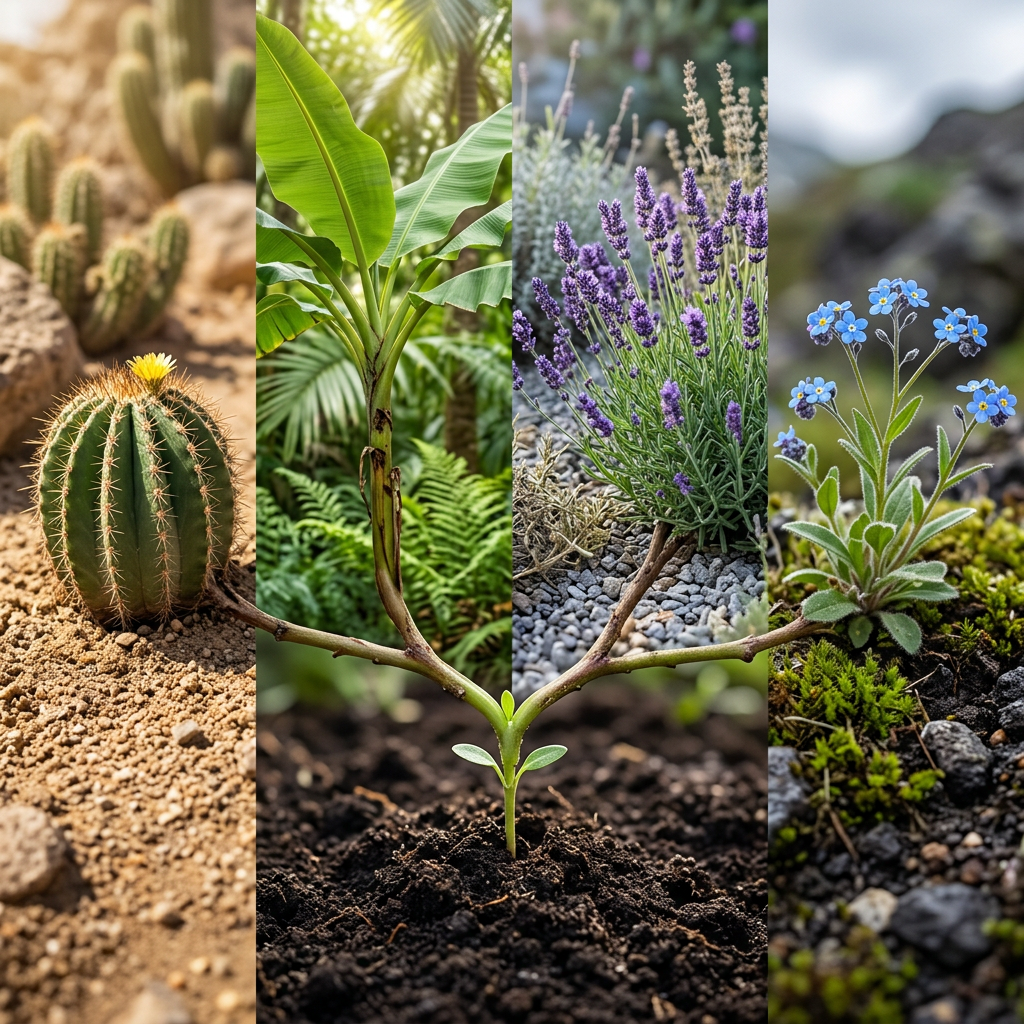
You then explore examples across species. In reptiles, temperature‑dependent sex determination shows how environmental cues shape fundamental outcomes. In plants, light and nutrient availability influence branching, flowering, and root architecture. In humans, early‑life nutrition and stress can influence metabolism, cognition, and long‑term health through epigenetic pathways.
The module emphasises that plasticity is not limitless; it operates within biological constraints. But within those boundaries, organisms can fine‑tune development to match their environment.
By the end, developmental plasticity feels like life’s built‑in adaptability, a flexible, responsive system that helps organisms navigate uncertainty.
Buy now on Payhip and get immediate access to the full digital file. Fast, secure checkout with instant delivery.
Leave a Reply