

Where care becomes architecture, and trust becomes design
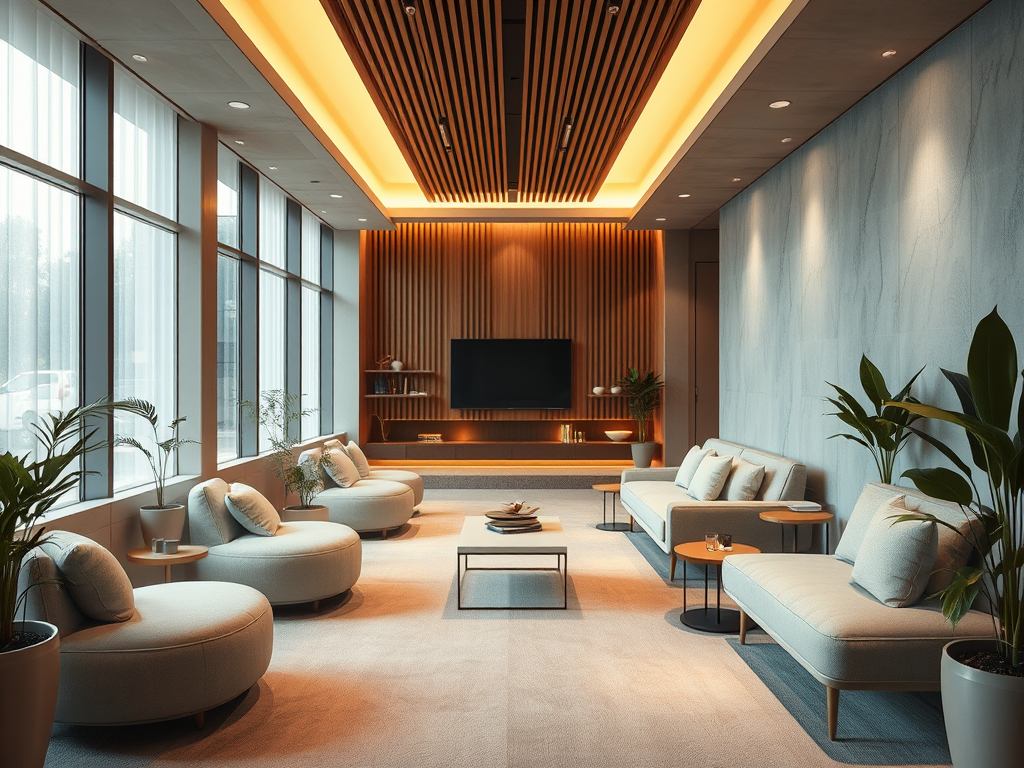
You walk into a space.
It’s quiet.
It’s warm.
You feel… safe.
Not because there are no sharp edges,
But because your feelings have room to breathe.
Let’s spiral into how emotional safety becomes a design ethic, shaping spaces, systems, and relationships that honour vulnerability, regulate nervous systems, and invite co-flourishing.
What Is Emotional Safety?
Emotional safety is the felt sense that:
- Your emotions are valid
- You won’t be shamed or punished for expressing them
- You can show up as your full self
- You’re allowed to feel, pause, and repair
As Gensler’s design blog notes, emotional safety enables creativity, collaboration, and connection, especially in workplaces and public spaces.
Why Emotional Safety Matters in Design
Designing for emotional safety means:
- Reducing harm: Avoiding triggers, overwhelm, and shame
- Supporting regulation: Offering sensory calm and pacing
- Fostering trust: Building environments where people feel seen
- Enabling growth: Safety is the soil for learning, healing, and change
As Grand Rising Behavioral Health explains, emotional safety is foundational for healthy relationships and personal resilience.
Micro-Practices for Emotional Safety Design
Try these to embed emotional safety in your design work:
Use soft materials and lighting: Avoid harshness and overstimulation
Offer emotional exits: “You can pause or leave anytime, no pressure”
Design for rhythm: Slow pacing, breathing room, and gentle transitions
Use inclusive language: Avoid jargon, shame, or urgency
Create repair rituals: “If something goes wrong, here’s how we reconnect”
Validate feelings: “It’s okay to feel this way, thank you for sharing”
These aren’t just design choices.
They’re relational architectures.
Emotional Safety in Inclusive Design
In inclusive environments, emotional safety must be:
- Trauma-informed: Avoiding re-traumatisation and emotional overwhelm
- Culturally attuned: Respecting diverse norms around expression and vulnerability
- Dialogic: Inviting feedback, co-creation, and shared meaning
- Systemically held: Not just in moments, but in policies and practices
As Aura Institute suggests, emotional safety planning includes identifying triggers, coping strategies, and support networks.
Emotional Safety in Systems
Designing emotionally safe systems means asking:
- Who feels safe here, and who doesn’t?
- What emotions are allowed, and which are silenced?
- How do we repair when harm happens?
Emotional safety isn’t just personal.
It’s political.
It lives in:
- Workplace policies
- Community norms
- Public services
- Digital platforms
Safety isn’t the absence of conflict.
It’s the presence of care.
Final Thought: Safety Is a Feeling, Not a Feature
Emotional safety isn’t a checkbox.
It’s a felt experience.
So next time you design a space, a system, or a sentence,
Ask:
Does this help someone feel safe enough to feel?
Because when emotional safety is designed with care,
Belonging becomes possible.
From Our Archive
Spiralmore evolves from ideas to action; projects, tools, and real-world impact.
Leave a Reply