
Epigenetic memory allows cells to record experience through chemical modifications to DNA and histones. This module helps you understand how these marks shape identity, development, and long‑term cellular behaviour.
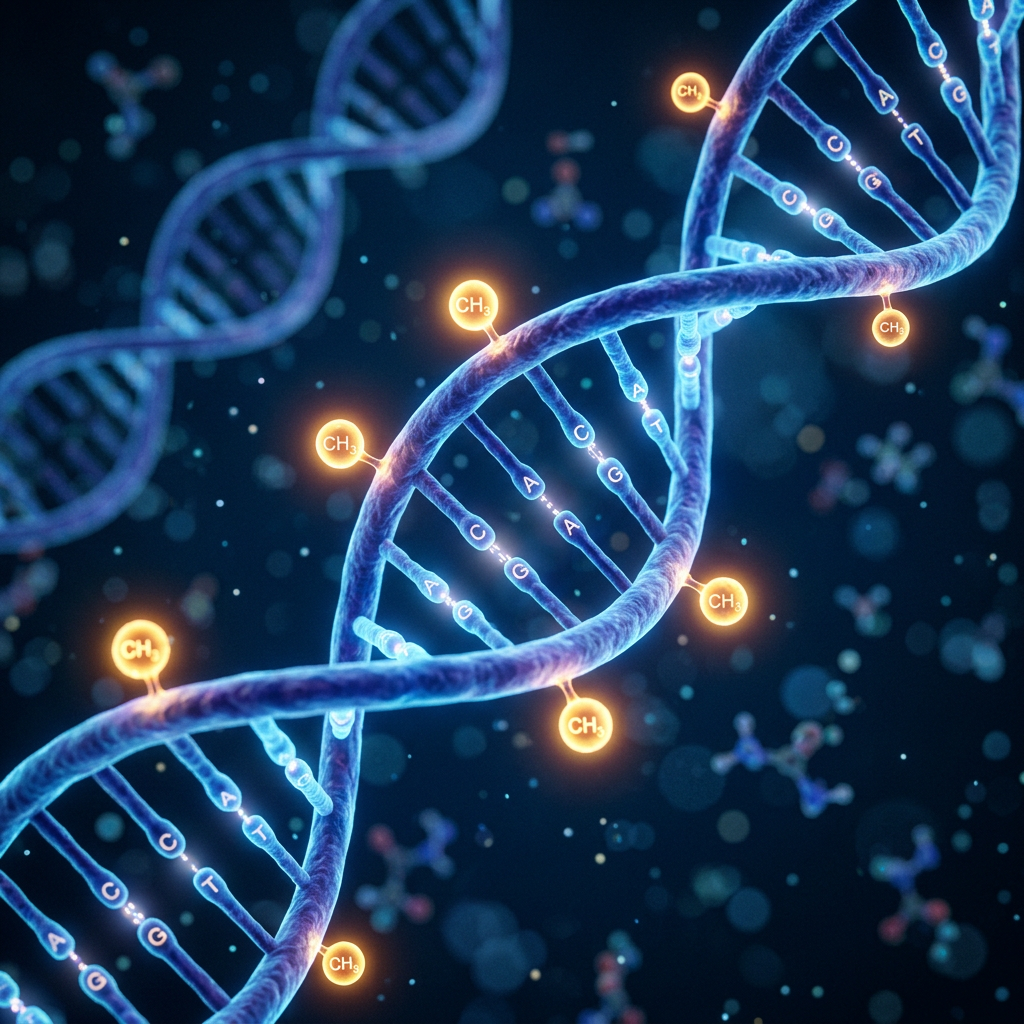
You begin by exploring DNA methylation and histone modifications, the chemical tags that influence whether genes are active or silent. You learn how these marks alter chromatin structure, making regions more open or more compact.
The module then shows how epigenetic marks persist through cell division, allowing daughter cells to inherit patterns of gene expression. This persistence underpins processes such as differentiation, imprinting, and long‑term adaptation.
You also explore how environment, nutrition, stress, and ageing influence epigenetic landscapes. Clear examples illustrate how cells integrate experience into their regulatory systems.
By the end, epigenetic memory feels like a biological notebook storing context, history, and adaptation across time.
Buy now on Payhip and get immediate access to the full digital file. Fast, secure checkout with instant delivery.
Leave a Reply